Build Profitable Padel Clubs Worldwide.

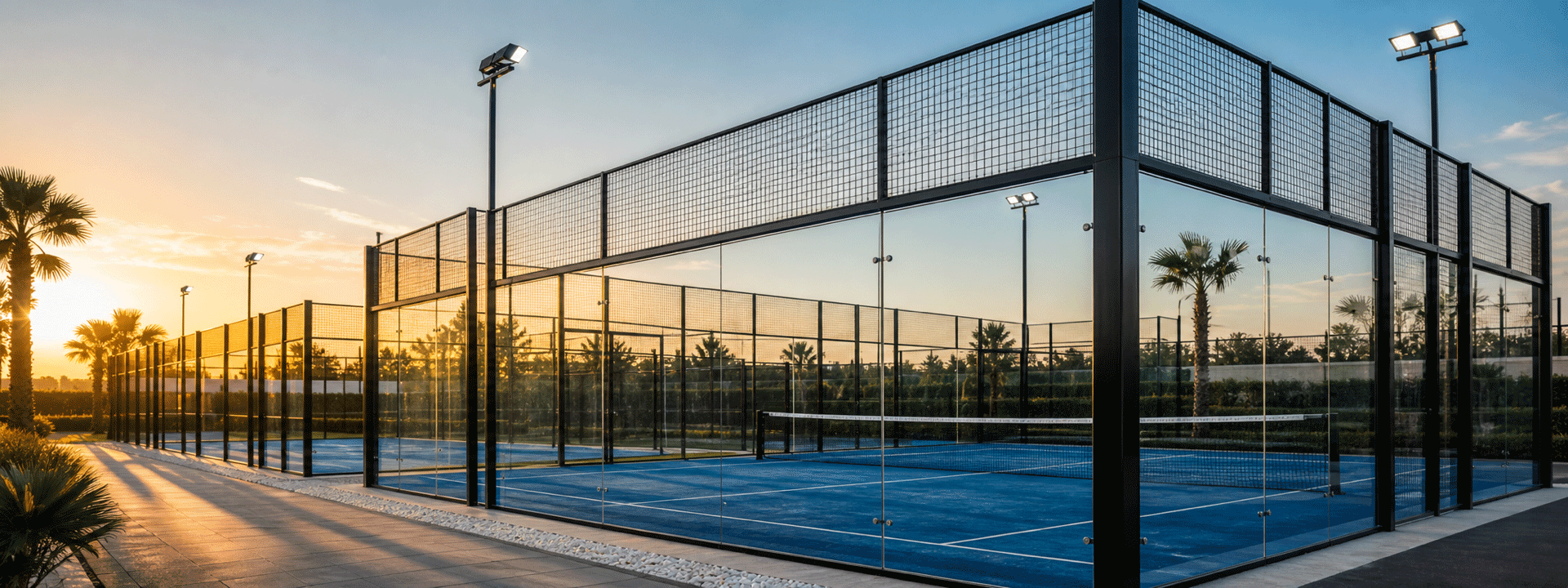
Padel Club Case Studies
Spain 4-Court Padel Club Case Study
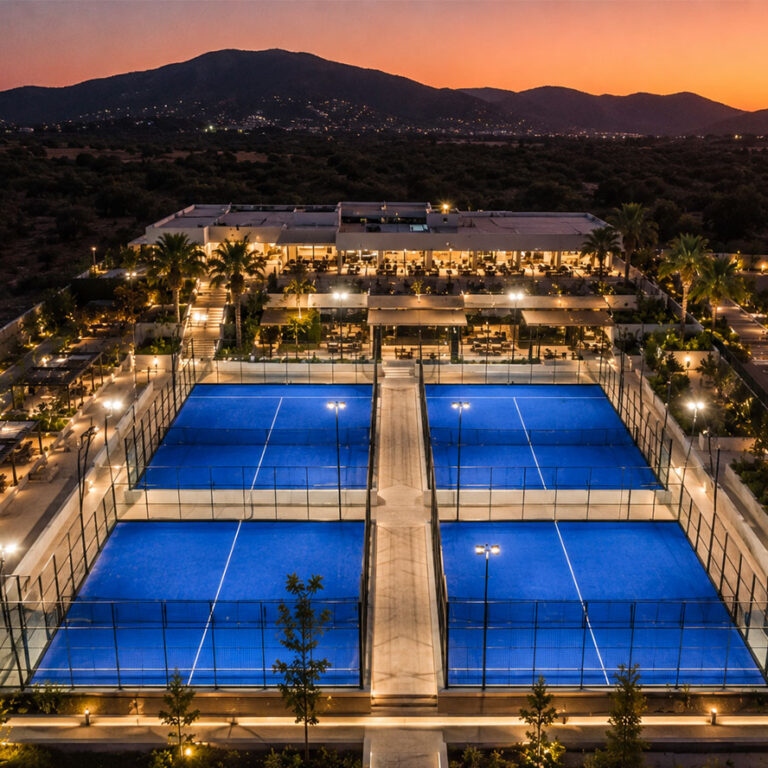
Project Overview When the investor first approached us, the goal seemed straightforward:Build a small padel club, minimize upfront investment and test local market demand.Like many…
Commercial Padel Project Insights
Commercial Padel Court Projects & Club Case Studies
The rapid global growth of padel has created significant opportunities for investors, sports facility operators, hospitality groups, real estate developers and educational institutions seeking to build profitable and sustainable sports businesses.
However, successful padel projects are rarely defined by court installation alone. The most successful facilities are built around a combination of market demand, strategic planning, efficient layouts, strong operational models and long-term business objectives.
This collection of commercial padel court projects and club case studies is designed to help investors better understand how successful projects are planned, developed and operated across different markets worldwide.
From small two-court facilities to large multi-court commercial clubs, every project provides valuable insights into site planning, investment requirements, court selection, revenue generation and future expansion opportunities.
Whether you are considering your first padel investment or planning a large-scale commercial facility, studying successful projects can help reduce risk and improve long-term performance.

Why Padel Club Case Studies Matter
Before investing in a padel project, many investors focus primarily on construction costs. While investment cost is important, it represents only one part of the decision-making process.
Studying real-world projects helps investors understand how these factors work together and how different project models perform under different market conditions. Case studies provide practical insights that cannot be learned from court specifications alone.
Site Location
Strong locations improve visibility, accessibility, player demand and long-term club utilization.
Court Capacity
The number of courts affects booking volume, coaching programs, events and future scalability.
Revenue Streams
Memberships, coaching, tournaments and events help reduce dependence on court rental alone.
Future Expansion
Projects with reserved space and flexible planning can grow as market demand increases.
Common Characteristics of Successful Padel Projects
The Right Number of Courts
One of the most important decisions in any project is determining the appropriate court capacity. In many markets, four courts are considered the minimum viable commercial model capable of supporting memberships, coaching programs and recurring bookings.
Multiple Revenue Streams
Successful clubs rarely depend solely on court rentals. The strongest projects are designed around diversified revenue sources such as court bookings, membership programs, coaching, tournaments, leagues, corporate events, equipment sales and food and beverage services.
Efficient Space Planning
Successful facilities allocate sufficient space for reception areas, locker rooms, spectator seating, social spaces, equipment storage, player circulation and future expansion.
Long-Term Growth Strategy
Many successful clubs begin with a limited number of courts and expand as local demand grows. Projects that reserve space for future development often achieve stronger long-term returns than facilities built without expansion capacity.

Common Commercial Padel Project Models
Padel projects can take many forms depending on investment goals and target audiences. Comparing different project models helps investors select the right padel court system, facility layout and operating strategy.
Commercial Padel Clubs
Designed around memberships, coaching programs and recurring court bookings. These projects focus on maximizing occupancy, player retention and long-term profitability. See our commercial padel club solutions.
Hotels & Resorts
Padel courts are increasingly used as premium guest amenities that improve guest engagement, increase stay value and differentiate hospitality properties. Explore hotel and resort padel solutions.
Residential Communities
Modern residential developments use padel courts to strengthen community interaction, improve lifestyle positioning and increase property appeal. Review residential community padel court solutions.
Sports Academies & Training Centers
Focused on player development, structured coaching programs and long-term athlete progression.
Universities & Educational Campuses
Designed to encourage student participation, social interaction and modern sports programming.
Events & Brand Activations
Portable and temporary padel court installations are increasingly used for exhibitions, entertainment venues, festivals and marketing campaigns.
What Investors Can Learn From These Projects
Every successful project provides valuable lessons that can be applied to future developments. Answering the right questions early can significantly improve project performance while reducing investment risk.
How much space is required?
How many courts should be built?
What is the expected construction budget?
Which revenue streams should be prioritized?
What occupancy level is needed for profitability?
How long is the expected payback period?
Is future expansion possible?
How many courts should be built?
What is the expected construction budget?
Which revenue streams should be prioritized?
What occupancy level is needed for profitability?
How long is the expected payback period?
Is future expansion possible?
The most successful projects are not necessarily those with the largest budgets. They are often the projects with the clearest strategy, strongest market positioning and most efficient business models.
Frequently Asked Questions About Padel Club Projects
01
Is a padel club a profitable investment?
Many commercial padel clubs generate revenue through court rentals, memberships, coaching programs, tournaments and equipment sales. Profitability depends on location, utilization rates and operational strategy.
02
How many courts should a commercial padel club have?
While some projects begin with one or two courts, many successful commercial clubs start with four courts to support memberships, coaching programs and competitive events.
03
What is the typical payback period for a padel club?
Depending on market conditions, occupancy rates and investment size, many commercial projects target a payback period between two and five years.
04
How much space is required for a commercial padel club?
Most commercial clubs require between 1,500 sqm and 4,000 sqm depending on the number of courts and supporting facilities.
05
What are the most important factors for project success?
Location, court capacity, player demand, revenue diversification, operational management and future expansion planning are often the most important factors.
06
Can hotels and resorts benefit from padel courts?
Yes. Many hospitality projects use padel courts to improve guest engagement, increase property value and create unique recreational experiences.
07
Should I evaluate ROI before investing?
Absolutely. Understanding construction costs, occupancy assumptions, operating expenses and revenue potential is essential before making an investment decision.

Planning Your Own Padel Project?
Whether you are developing a commercial club, resort facility, sports academy, university sports center or residential community project, understanding project feasibility should always be the first step.
Before investing, we recommend evaluating available space and court capacity, construction cost requirements, revenue potential and ROI, and long-term growth opportunities.
Complete Your Padel Club Planning Journey
Before investing in a commercial padel project, it is important to evaluate every stage of the development process — from site capacity and construction costs to revenue potential and long-term profitability.
Use our free planning tools to build a clearer understanding of your project before making an investment decision.
Padel Court Space Planning Calculator
Plan court capacity, optimize site utilization and explore practical layout options for your available space.
Padel Court Construction Cost Calculator
Estimate construction budgets, compare court configurations and evaluate project investment requirements.
Padel Club ROI Calculator
Analyze revenue projections, operating costs and expected payback periods for your project.
Padel Club Business Plan Guide
Explore business strategies, financial models and growth opportunities for building a profitable club.
Whether you’re planning a two-court facility, a commercial club, a resort project or a large multi-court venue, these tools can help you evaluate feasibility and reduce investment risk before construction begins.
The most successful padel projects are not simply built.
They are planned from the beginning with profitability, scalability and long-term growth in mind.


