Build Profitable Padel Clubs Worldwide.

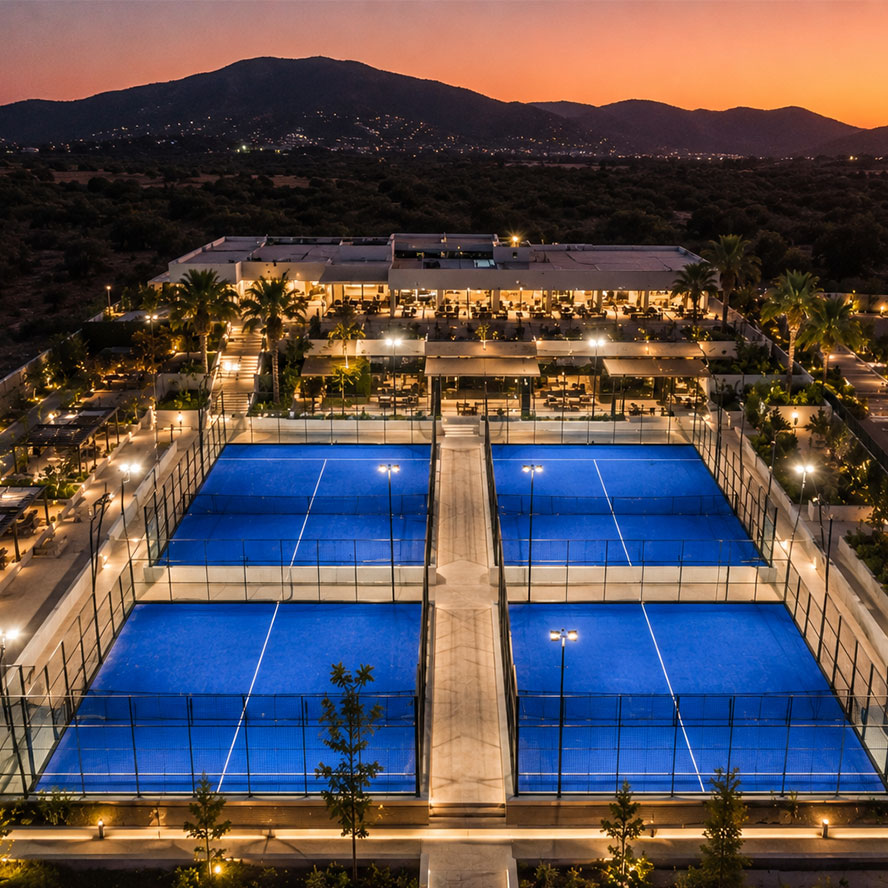
Spain 4-Court Padel Club Case Study
Padel Directory
Hide
Project Overview
When the investor first approached us, the goal seemed straightforward:
Build a small padel club, minimize upfront investment and test local market demand.
Like many first-time investors entering the padel industry, the original idea was to start with two courts and expand later if the business proved successful.
At first glance, the strategy appeared reasonable.
However, after evaluating local demand, projected occupancy rates, coaching opportunities and long-term revenue potential, a different picture emerged.
The challenge was no longer how to reduce investment.
The challenge was how to build a club capable of generating sustainable revenue and supporting future growth.
Project Snapshot
Location: Spain
Project Type: Commercial Padel Club
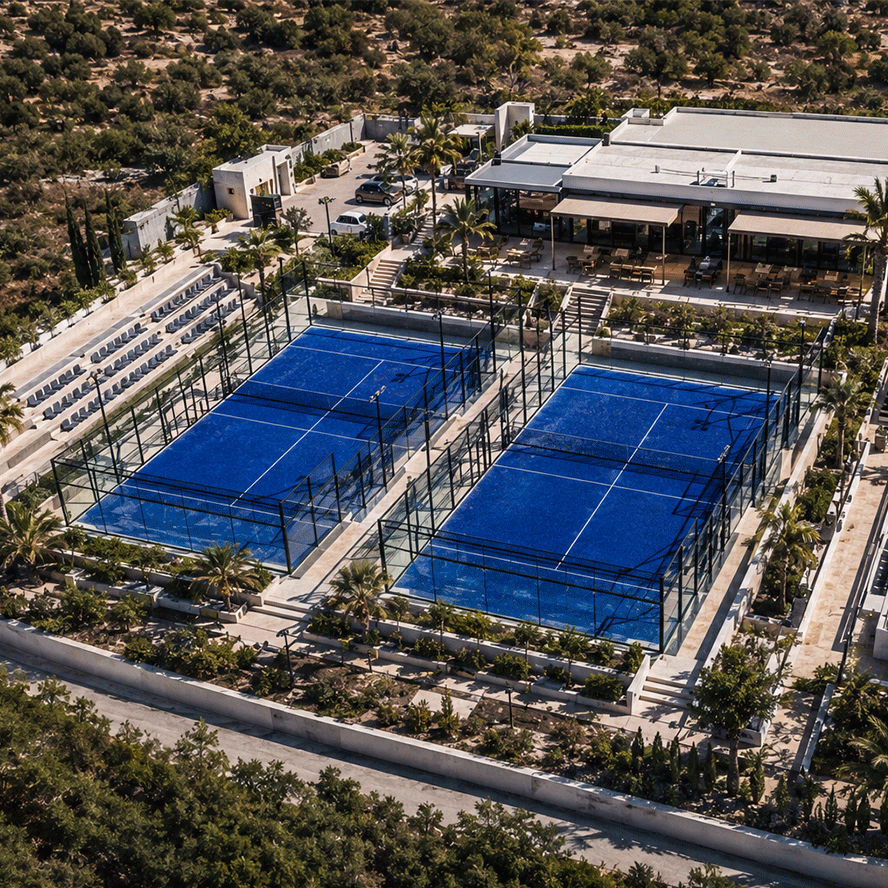
Court Configuration: 4 Outdoor Commercial Courts
Target Market: Recreational Players, Membership Programs, Coaching Services, Corporate Events, Local Tournaments
Primary Objective:Build a scalable padel business with recurring revenue and long-term profitability.
Why the Investor Chose Padel
Before deciding on padel, the investor evaluated several sports and recreation opportunities, including tennis, fitness facilities and indoor sports concepts.
Padel stood out for several reasons:
- Growing player participation
- Strong social and community engagement
- Multiple recurring revenue streams
- Lower operating complexity compared to many traditional sports facilities
- Increasing demand across European markets
Most importantly, padel offered a business model capable of generating recurring income rather than relying solely on one-time customer transactions.
The Challenge
The investor’s initial plan was to build only two courts.
The reasoning was simple:
Lower investment.
Lower risk.
Faster project launch.
However, once projected utilization and revenue potential were analyzed, several limitations became clear.
A two-court club would have:
- Limited membership capacity
- Reduced coaching opportunities
- Minimal tournament capability
- Less flexibility during peak hours
- Slower long-term growth potential
The project required a balance between controlling costs and maximizing future profitability.
The Turning Point
During the planning process, we compared two possible development scenarios.
Option A: 2-Court Club
Advantages:
Lower initial investment
Faster deployment
Challenges:
Limited revenue potential
Reduced scheduling flexibility
Difficult to host leagues and events
Slower membership growth
Option B: 4-Court Club
Advantages:
Greater court capacity
Improved member experience
Stronger coaching business
Ability to host tournaments
Better long-term scalability
After reviewing both scenarios, the investor realized that reducing investment by building fewer courts could actually reduce long-term returns.
The focus shifted from minimizing costs to maximizing profitability.
Why Four Courts Were Recommended
After evaluating local market demand and projected occupancy rates, a four-court configuration was selected.
Key benefits included:
Higher court utilization potentialStronger recurring membership revenueCapacity for coaching programsTournament and league hosting opportunitiesGreater scheduling flexibilityBetter player retentionIncreased revenue diversificationLong-term expansion potential
In many developing and mature padel markets, four courts are often considered the minimum viable commercial club model.
Site Evaluation & Layout Planning
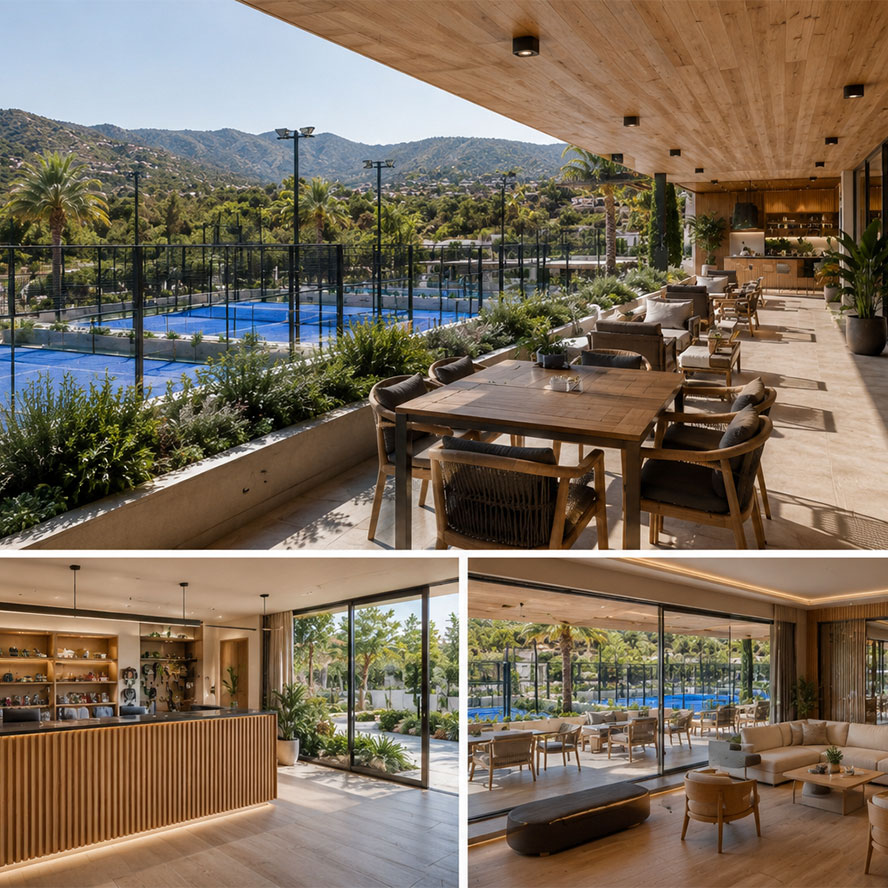
The available site provided sufficient space for four courts.
Rather than maximizing court density, the layout was designed to support future growth and a better player experience.
Additional space was allocated for:
Reception areaEquipment storageSpectator circulationSocial gathering areasFuture clubhouse expansion
One important lesson from the planning phase was that successful clubs are designed for long-term growth rather than short-term cost savings.
Investment Breakdown
The total project budget included far more than court supply.
Major investment categories included:
Court SystemsFoundationsDrainageLED LightingInstallationSite PreparationClub FacilitiesBranding & SignageOpening Marketing
Estimated Total Investment:€180,000
Actual investment requirements vary depending on location, court specifications and local construction conditions.
Revenue Sources
A successful padel club cannot rely solely on court bookings.
To improve profitability and reduce business risk, the project was designed around multiple revenue streams.
Court RentalsMembership ProgramsPrivate CoachingGroup Training SessionsTournaments & LeaguesCorporate EventsEquipment Sales
By combining multiple income streams, the club could maintain more stable cash flow and improve long-term financial performance.
Estimated Financial Performance
The investor’s target was to achieve full investment recovery within three years.
Occupancy Rate:55%Average Daily Bookings:8–10 Hours Per CourtPrimary Revenue Sources:Court Rental + Membership + CoachingEstimated Annual Revenue:€250,000–€350,000Estimated Payback Period:24–36 Months
Actual results depend on pricing strategy, market demand, operational execution and local competition.
Potential Risks Considered
Every investment project carries risk.
Several key risks were evaluated during planning:
Local competition growthSeasonal demand fluctuationsMarketing and player acquisition costsStaffing and coaching availabilityFuture expansion requirements
The objective was not to eliminate risk entirely, but to build a business model capable of managing it.
Key Lessons Learned
Lesson 1
Building fewer courts may reduce initial investment but can significantly limit future profitability.
Lesson 2
Location often has a greater impact on success than court specifications.
Lesson 3
Memberships and coaching programs are critical for recurring revenue.
Lesson 4
The most successful clubs operate as businesses, not simply sports facilities.
Lesson 5
Planning for future growth from day one often creates better long-term returns.
Thinking About Starting a Padel Club?
Before making an investment decision, it is important to understand:
Construction Costs
Revenue Potential
Occupancy Requirements
Payback Period
Growth Opportunities
Explore our free planning tools:
✓ Padel Court Construction Cost Calculator
✓ Padel Club ROI Calculator
✓ Padel Club Business Plan
Or contact our team for a customized project assessment and investment review.


